Fierce Pharma Week 2025: Building audiences with the same data that built the drug
Thank you for visiting HealthVerity at Fierce 2025 HealthVerity had a fantastic week at Fierce...


The therapeutic market that you know is shaped by the healthcare data that you can see. But when critical medical, specialty, clinical or longitudinal signals are absent from that view, the picture (and the decisions based on it) is less clear. ...
Thank you for visiting HealthVerity at Fierce 2025 HealthVerity had a fantastic week at Fierce...
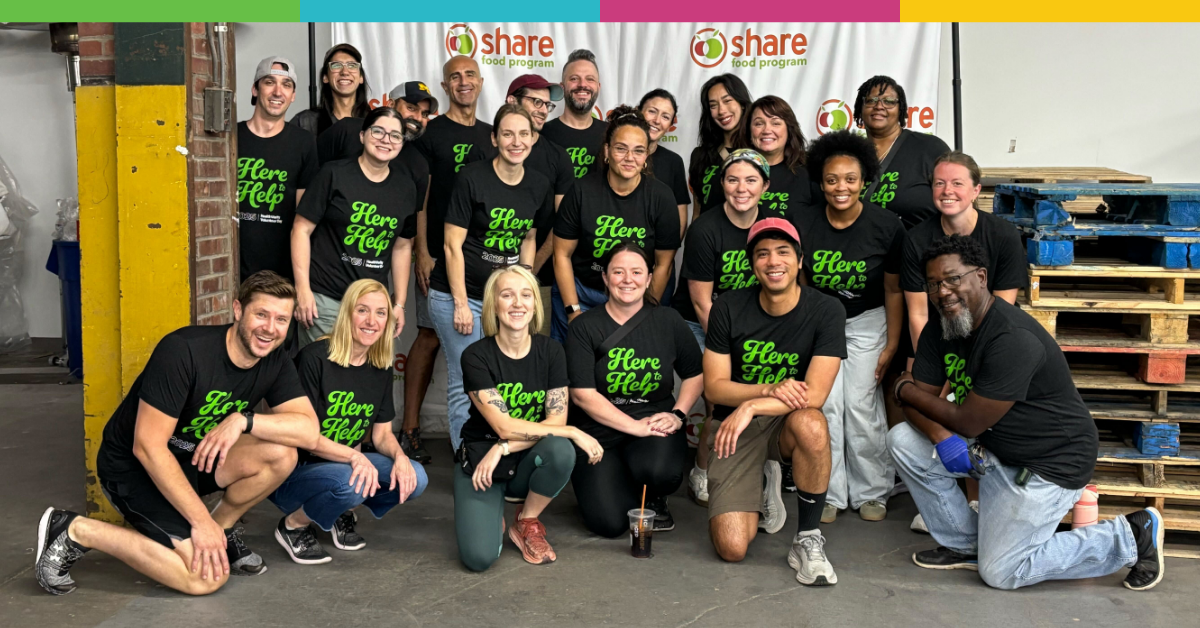
At HealthVerity, community is at the heart of who we are. Each year, our team members come together...
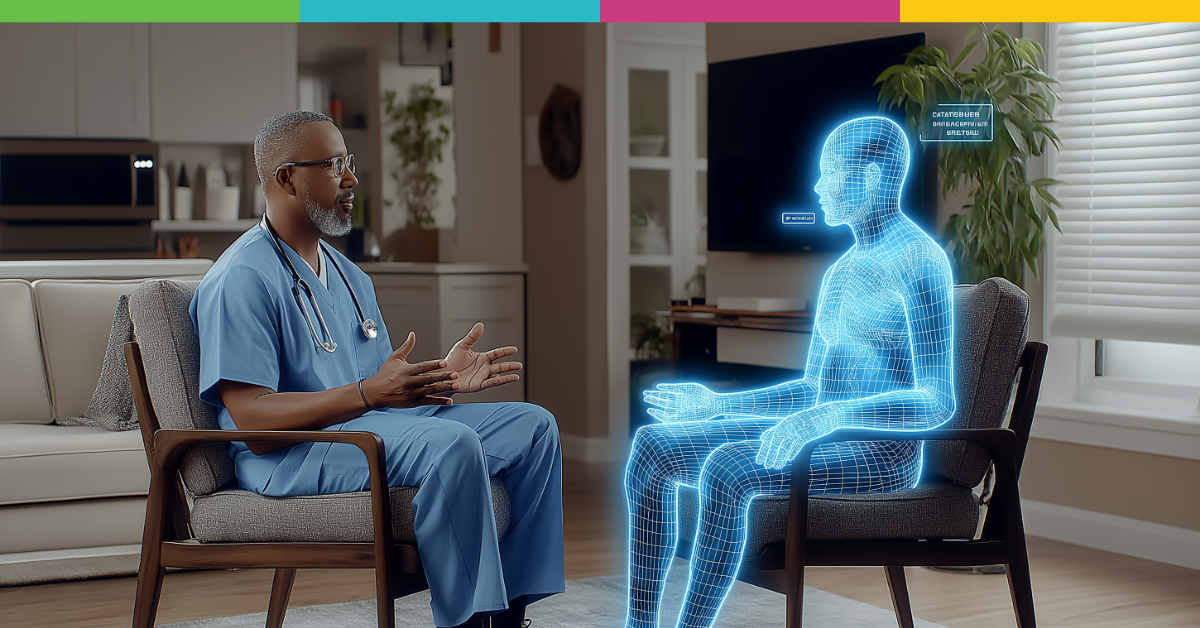
AI agents are quickly becoming part of the clinical conversation. Since the release of large...
Digital health innovators and pharma leaders are under increasing pressure to show that new models...
Recently, Omada Health and HealthVerity announced a press release highlighting their collaboration...
(Part 2) In Part 1 we explored how HealthVerity Marketplace delivers high-quality,...
Few areas of medicine have captured public interest over the past two years quite like...
Understanding disparities in opioid use disorder (OUD) treatment Pharmaceutical companies committed...
(Part 1) When clients see real-world data (RWD) in HealthVerity Marketplace, it may appear...
Electronic Health Records (EHR): What they are and how to use them in real-world data Electronic...