AI trends shaping healthcare in 2026: agentic, physical & sovereign AI
Artificial intelligence is no longer something healthcare and life sciences teams are testing on...


The therapeutic market that you know is shaped by the healthcare data that you can see. But when critical medical, specialty, clinical or longitudinal signals are absent from that view, the picture (and the decisions based on it) is less clear. ...
Artificial intelligence is no longer something healthcare and life sciences teams are testing on...
Regulatory decision-making depends on evidence that reflects how medical products perform in...
Industry trends in ulcerative colitis research: a new path Ulcerative colitis is a chronic...
New research is challenging long-held assumptions about privacy-preserving record linkage (PPRL)....
Early signals indicate continued declines in influenza vaccination uptake and shifts in the...
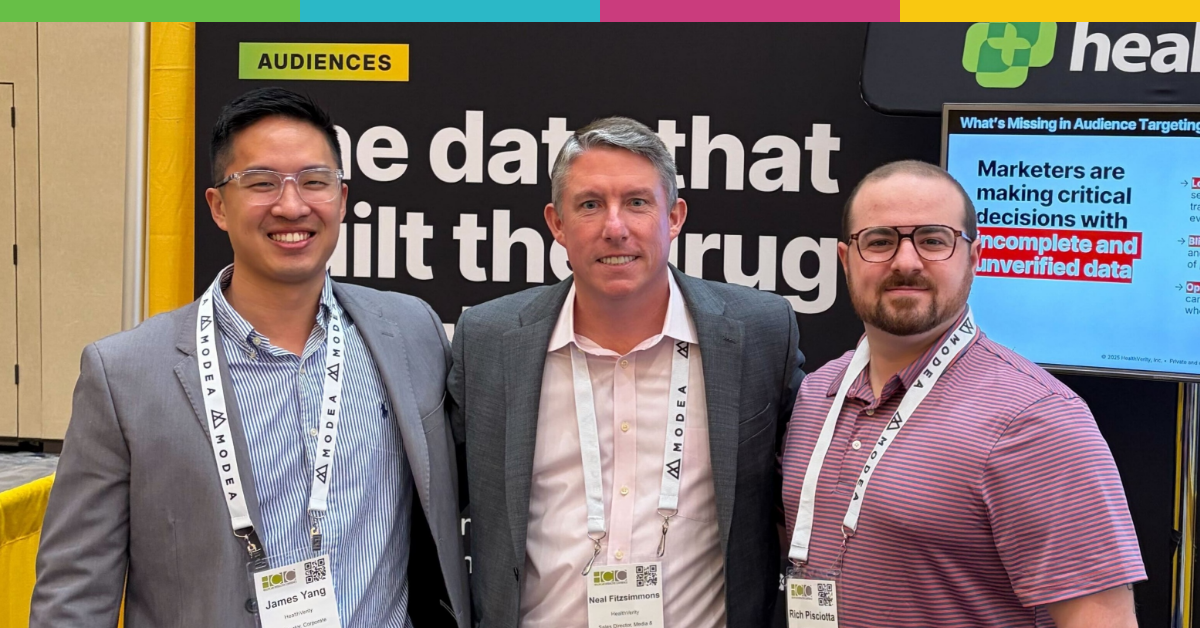
Our team had a great time at HCIC connecting with healthcare marketers, digital teams and consumer...
Real-world evidence (RWE) studies often stall on the same friction points: defining the most...
Veterans Day invites us to look beyond branch and rank to the people and stories behind the...
Alzheimer’s disease burden and the current therapy pipeline Alzheimer’s disease remains the leading...
Identifying the gaps in today’s real-world data The 2025 IMPACCT Real-World Evidence Summit brought...